Route

Oct 26 - Nov 1

Knysna to Shamwari
A taste of the route
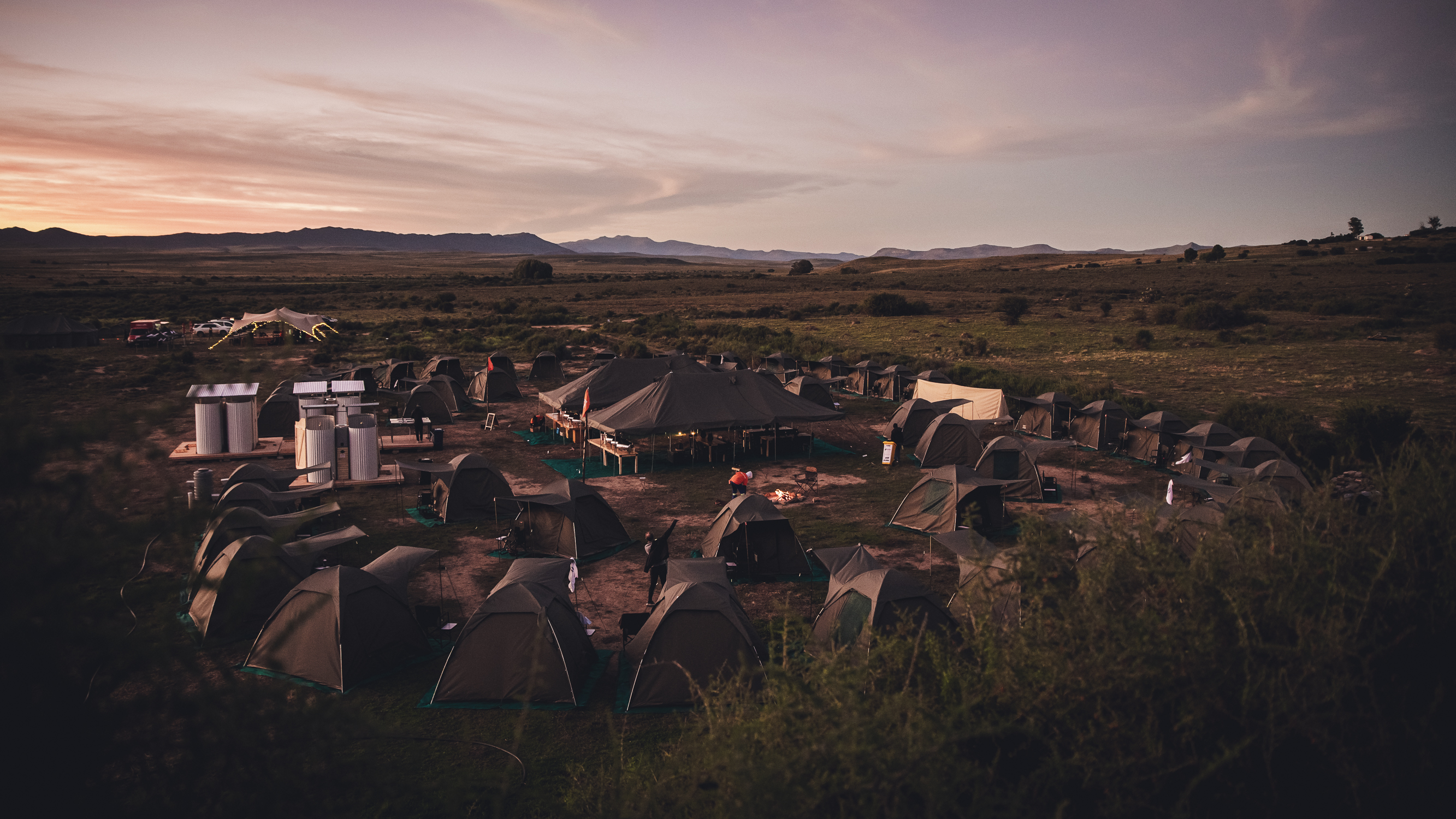
A 7-day, 800km full-service gravel stage race across South Africa’s diverse landscapes, from coastal forests into the Great Karoo, with nights in remote Burn Camps and a wildlife-rich finale.
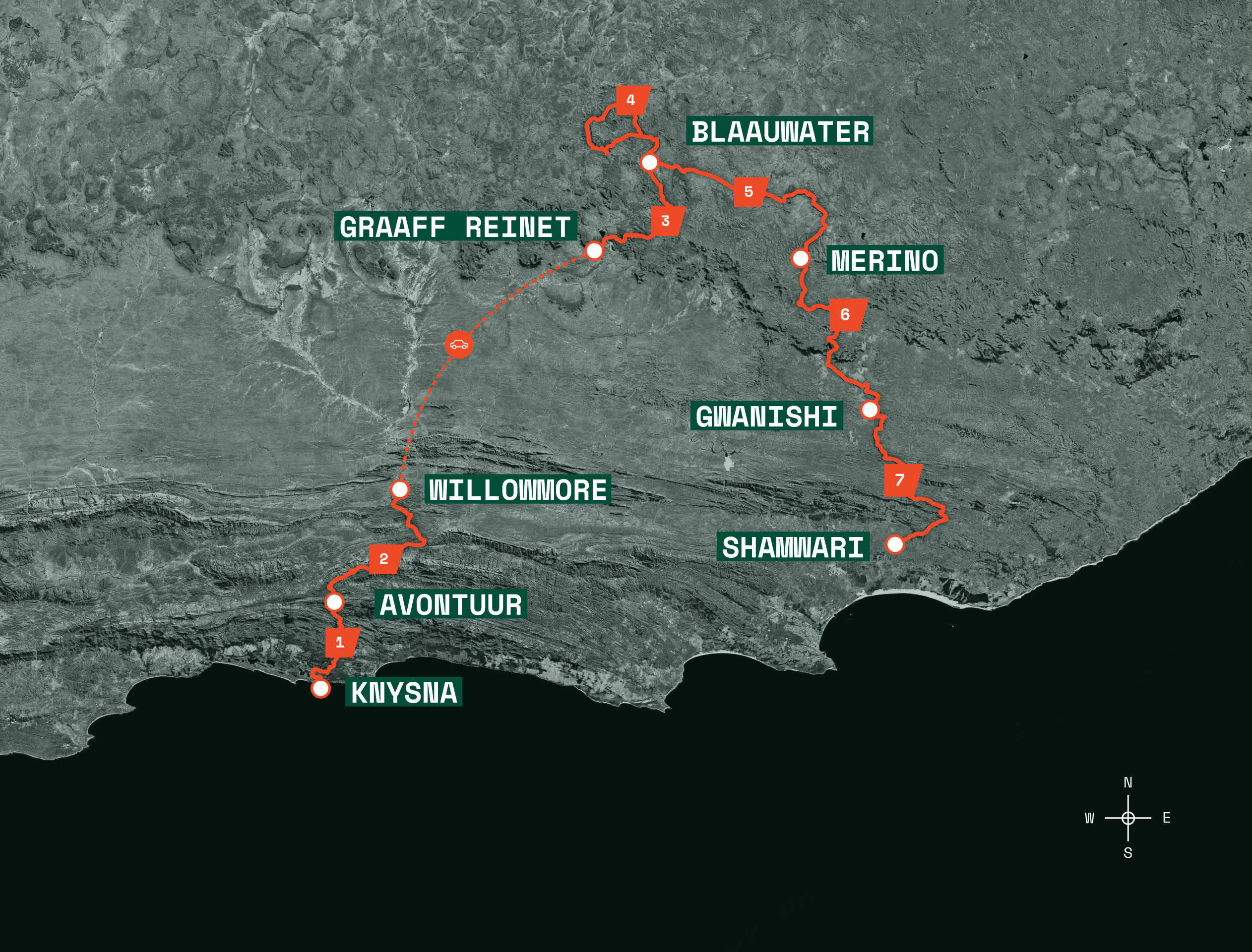

Highest Point
1,894m

Distance
786km

Climb
1O,36Om+

Descent
1O,O2Om-
discover the stages


the
climbs
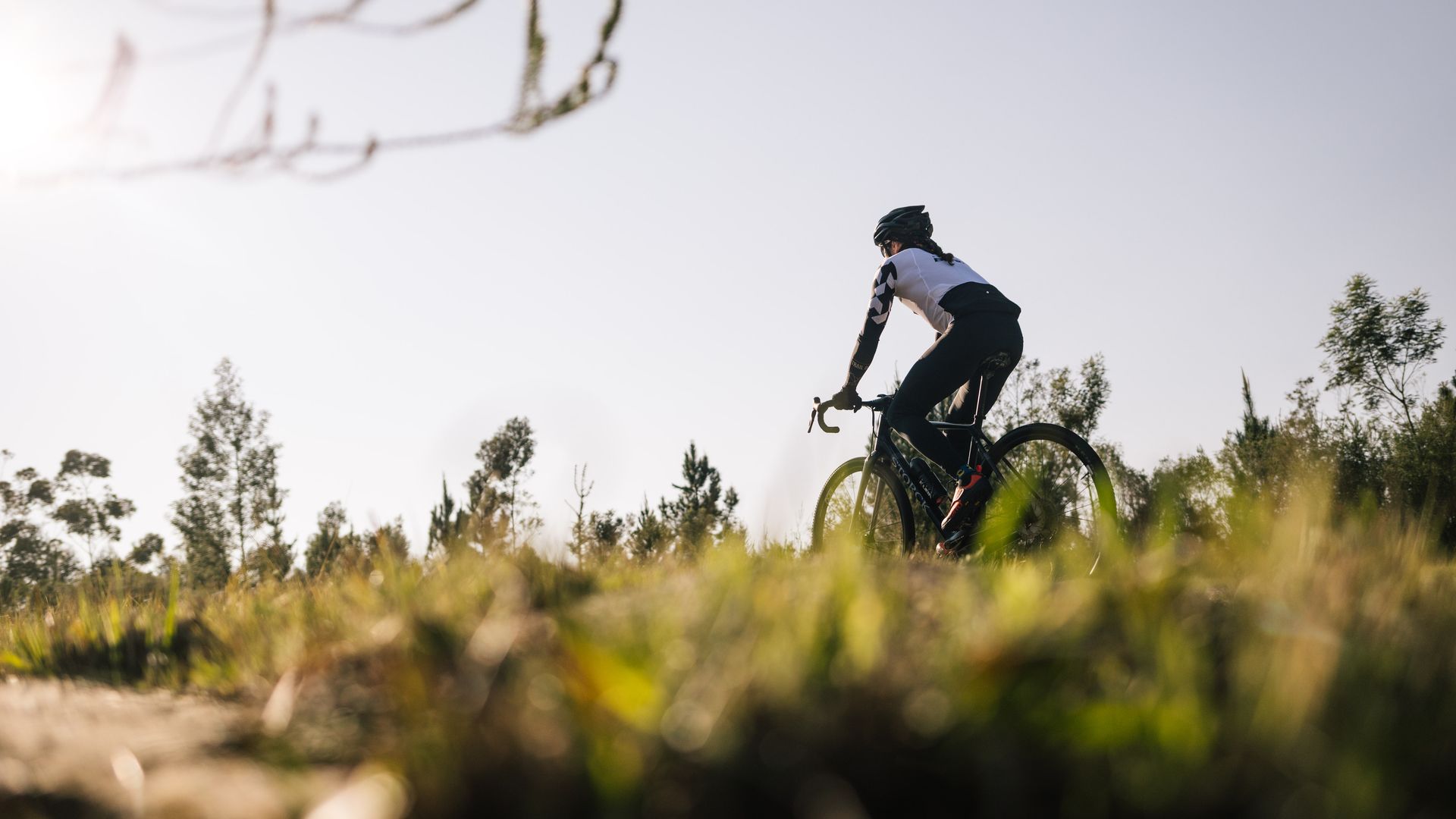
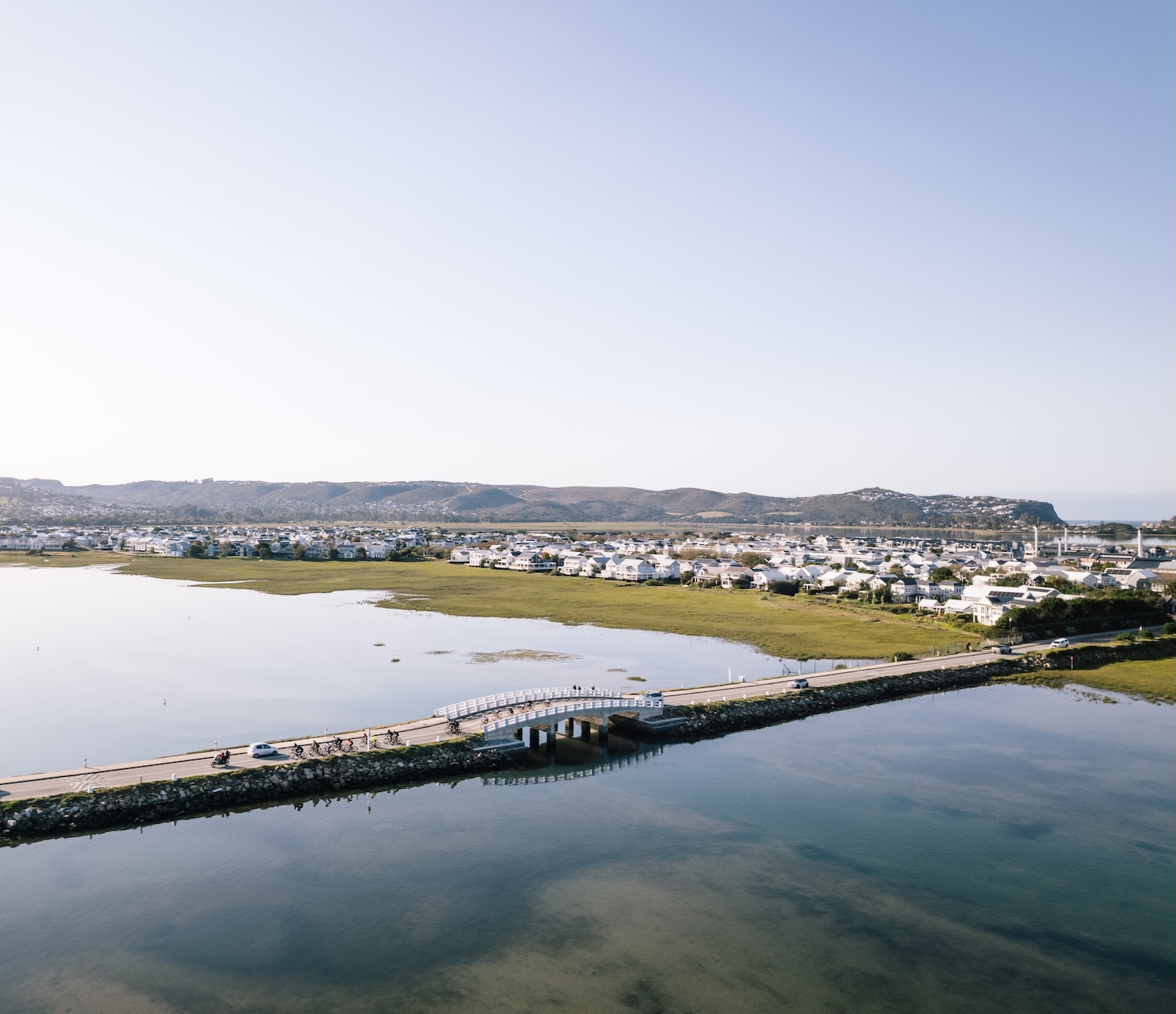
Simola Hill
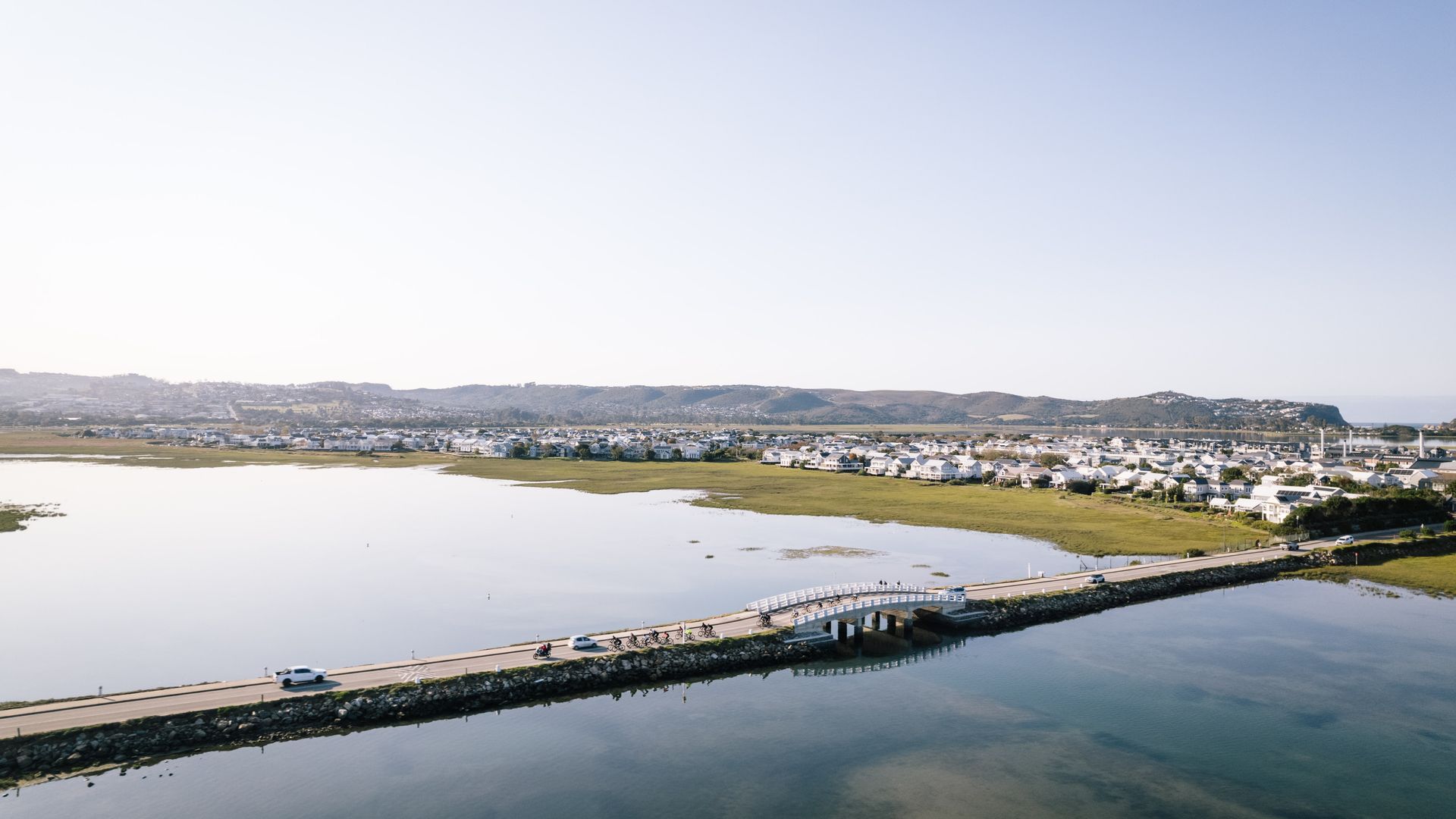
Simola Hill rises steeply from Knysna’s lagoon, testing riders early with this short but sharp climb on tar. Although it's just long enough to be a leg-burner that separates the field out right from the start, there's time in the flatter parts for the patient riders to pick up the pieces.
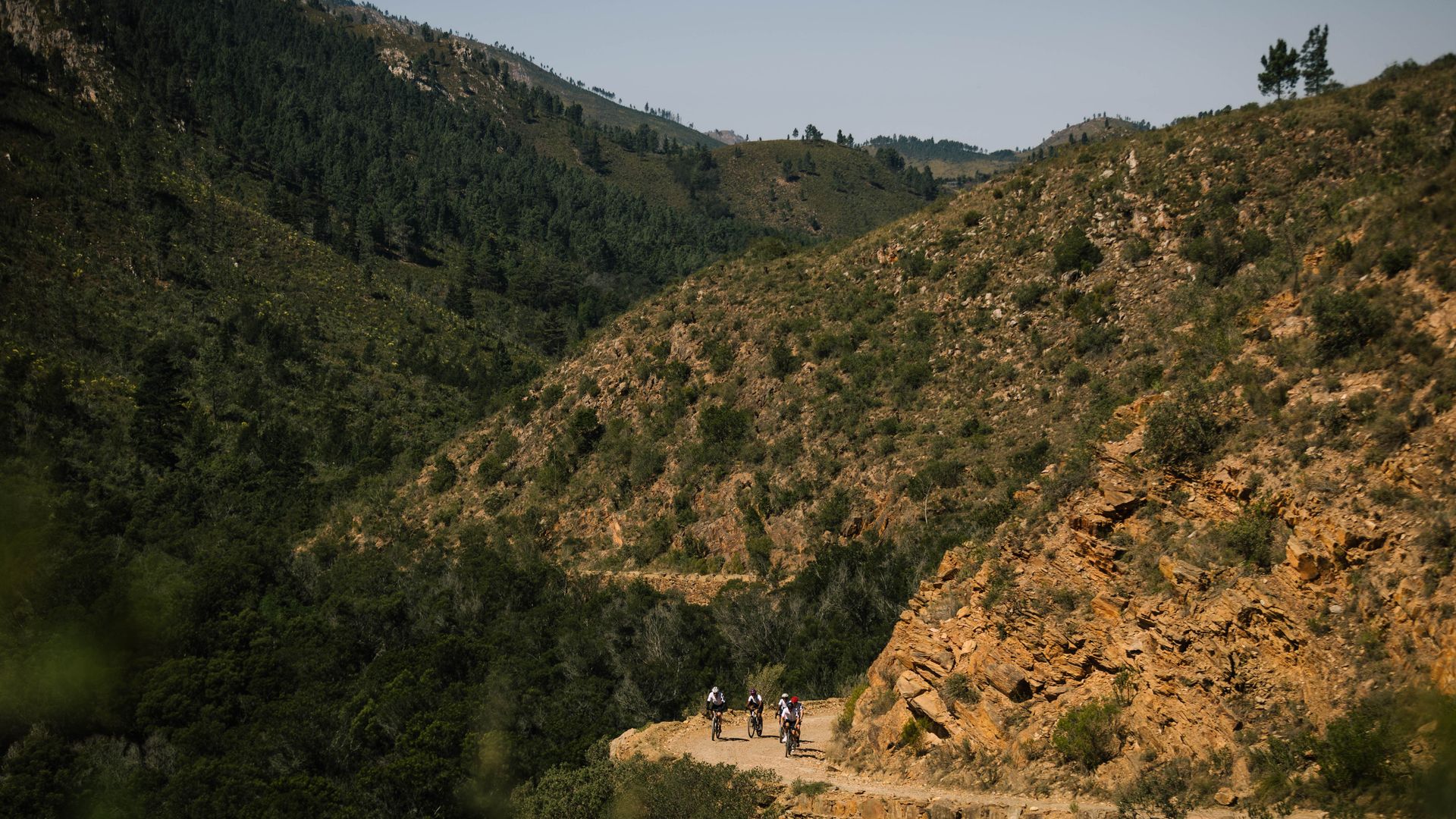
Prince Alfred’s Pass
Completed in 1867 by Thomas Bain, Prince Alfred’s Pass is a popular destination for locals, tourists and Strava subscribers alike. Said to be South Africa’s longest publicly accessible mountain pass, boasting an abundance of local flora and fauna, it will provide a leg-scorching challenge as much as a sightseeing opportunity.
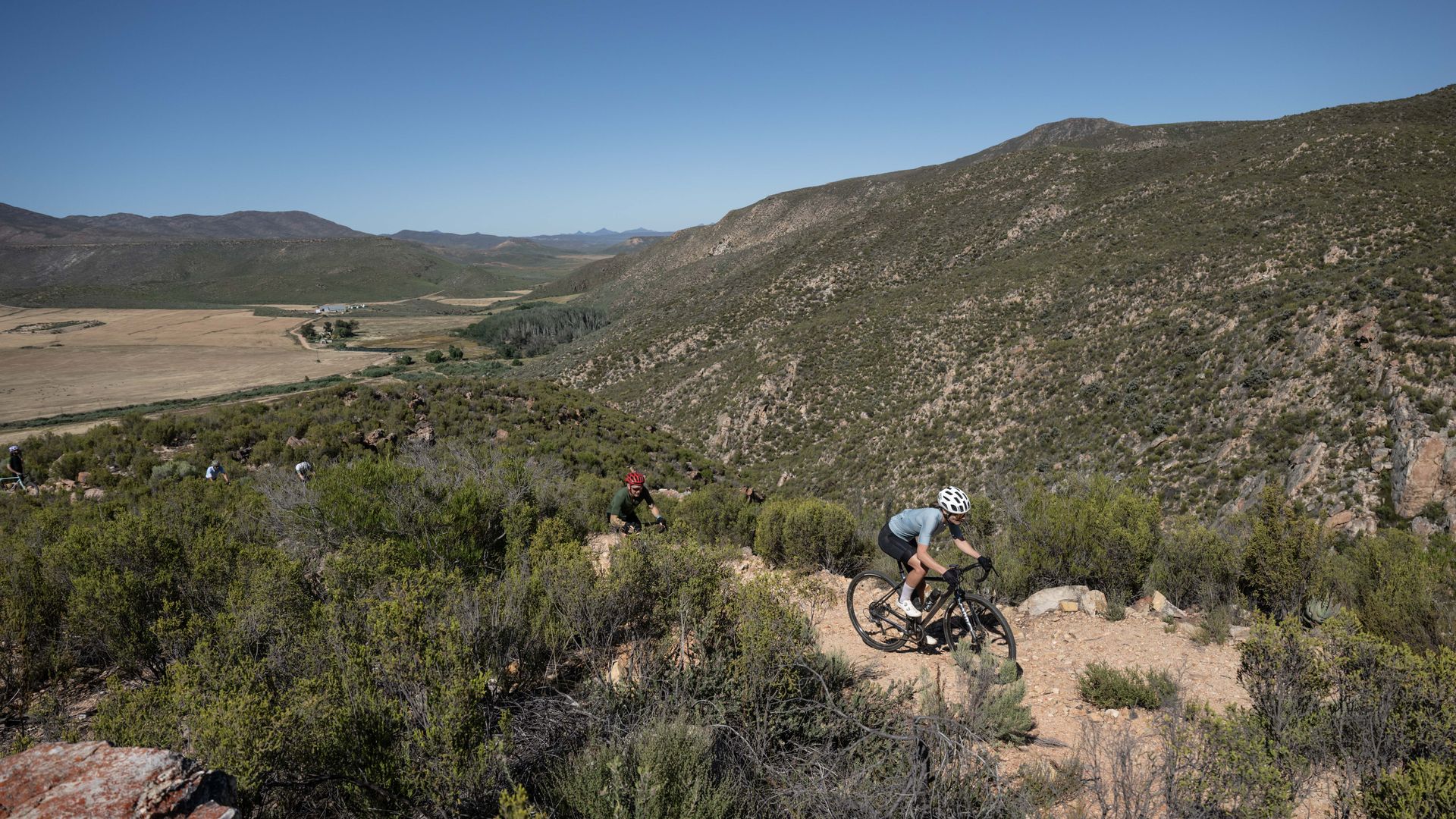
The Shallot
Kicking up sharply at around the 26km mark on stage 2, the aptly named Shallot is a sharp ascent that was specially prepared for Nedbank Gravel Burn. It opens the next chapter of the race as we head towards the Western Cape / Eastern Cape border.
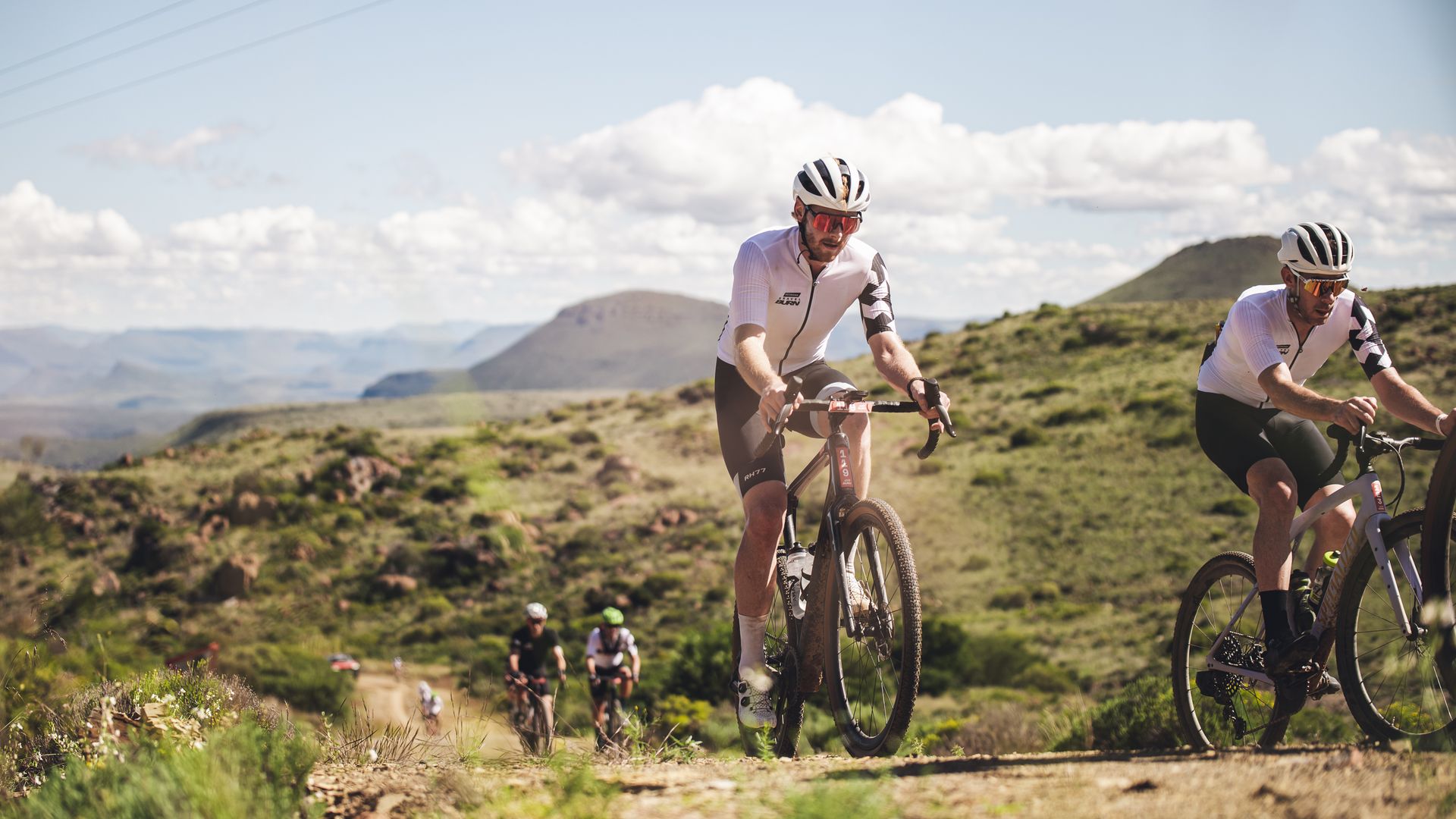
Conical Peak
Conical Peak tops out at 1,622 metres and is the highest point of the day, and marks the conclusion of the majority of the day's ascending. The long, steady climb, arguably from the first 15km, demands pacing and the ramp up in the final section will create early time gaps before the technical descent.
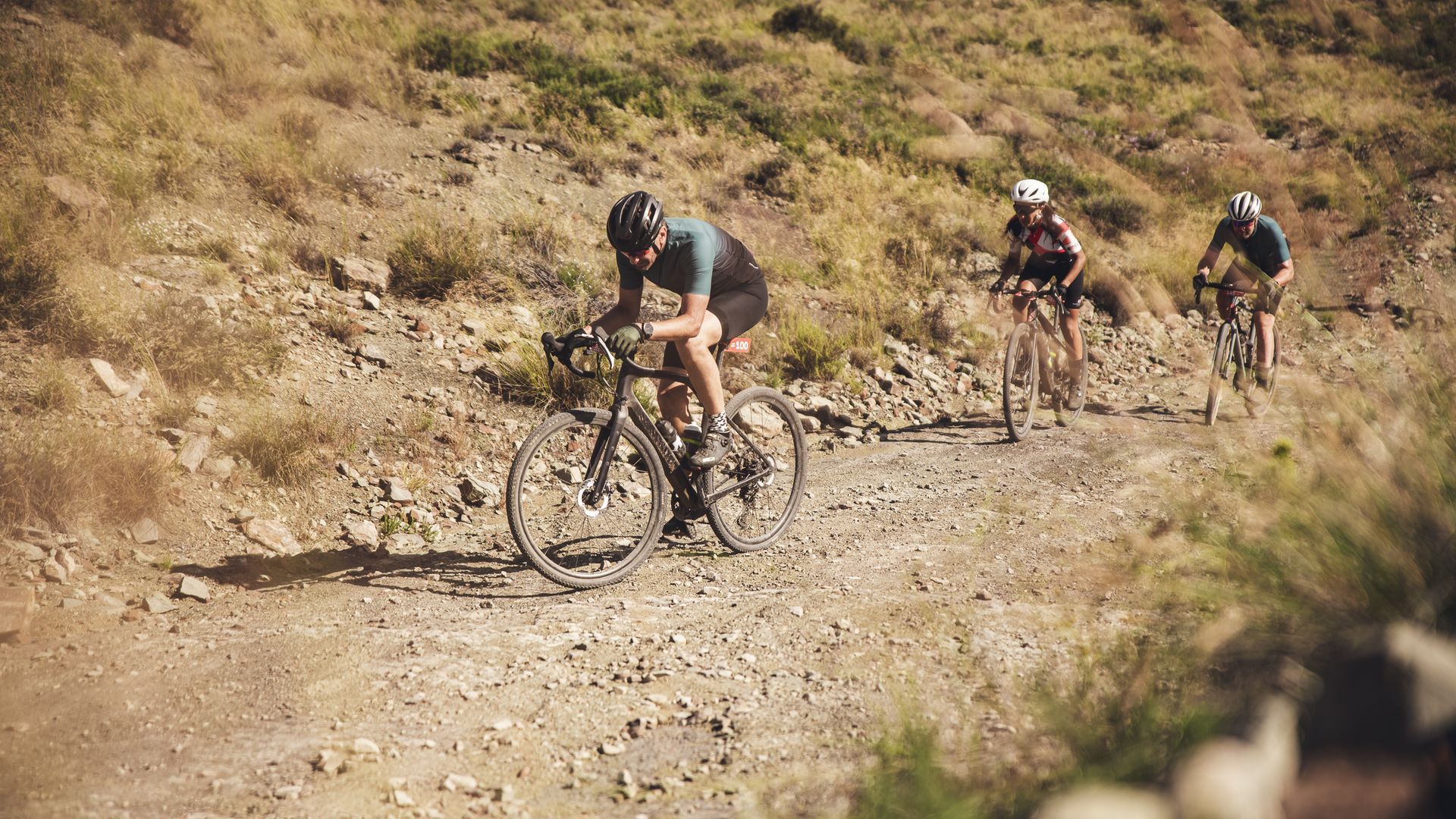
Tafelkop
The final climb of the day will seem like an endless drag after hours in the saddle. With some steep kickers in an otherwise steady rise, the true test of Tafelkop is how much is left in the tank before the final roll in to Burn Camp.
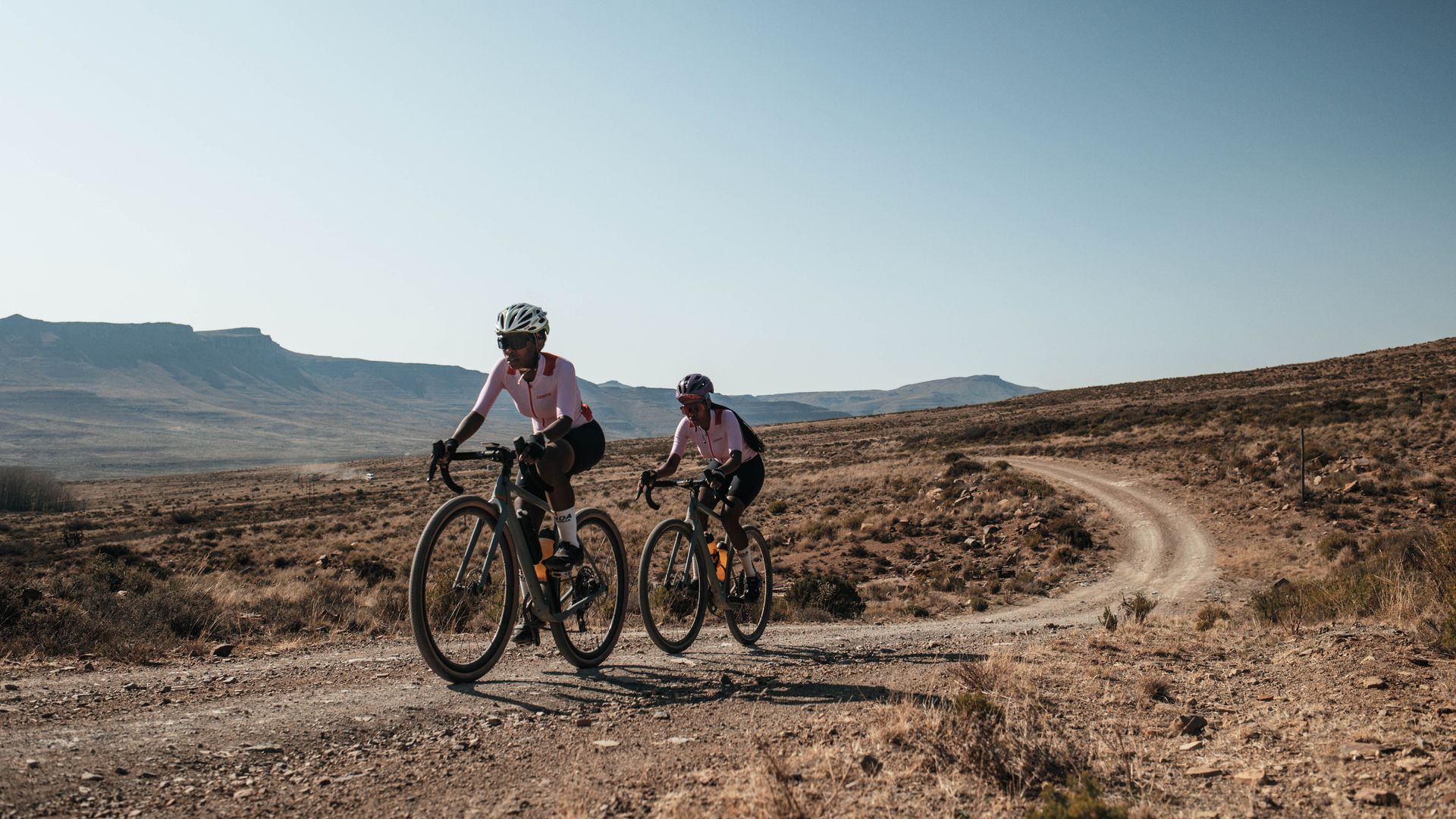
Leeukop
This early climb is in two parts, setting the tone for the day. Tafelkop ends part 1 and take note of the surface because the route heads back the same way in the stage finale. Part 2 to the peak is not the steepest climb of the week but with three days in the legs it'll be a true separator.
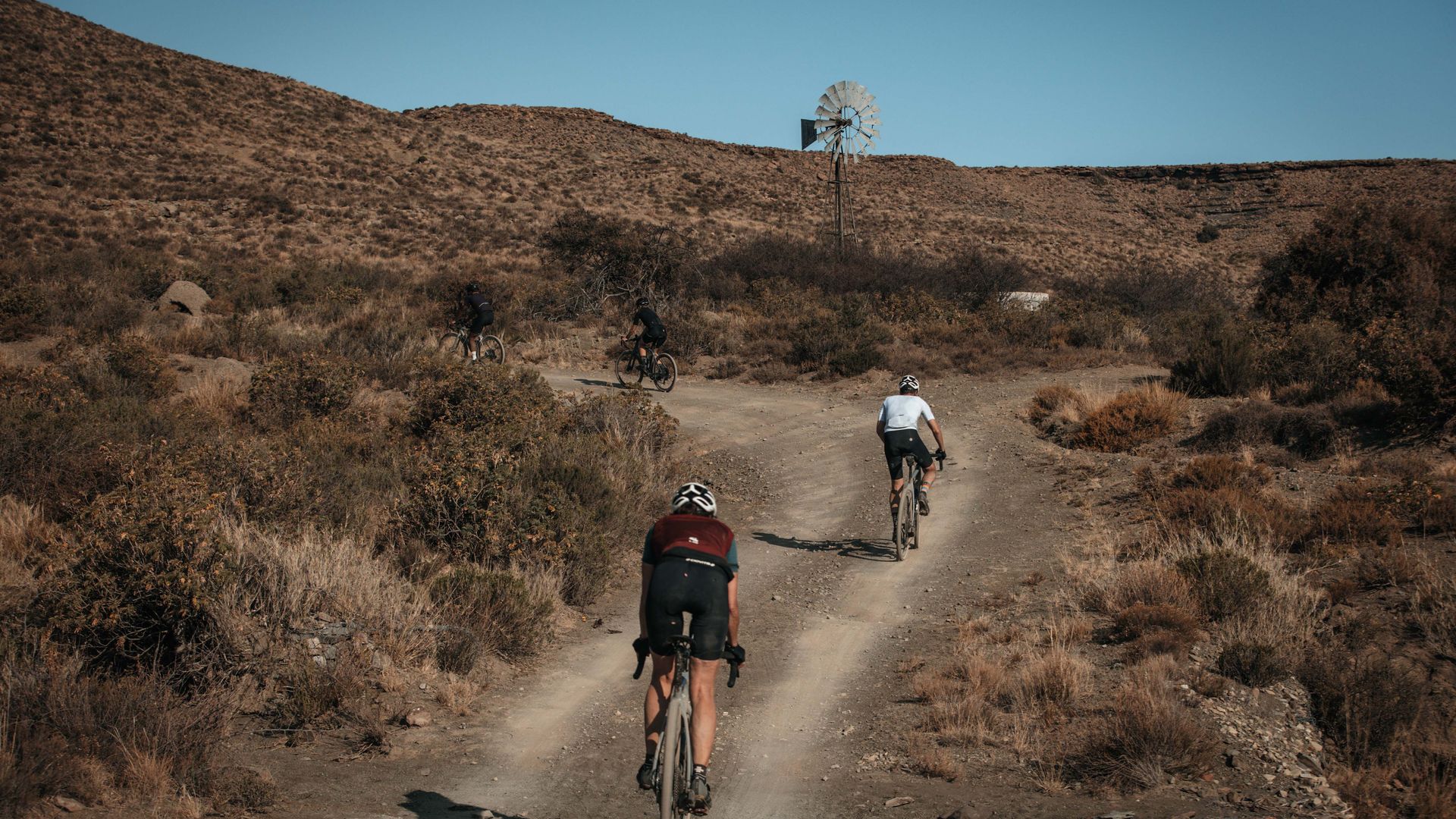
Kom Pass
The rise before one of the most technical descents of the week, Kom Pass itself may not make huge demands on the riders. It's what they demand of each other. A classic Karoo drag, it's loose and exposed and really gets going in the last 2km as we reach the highest point of the week.
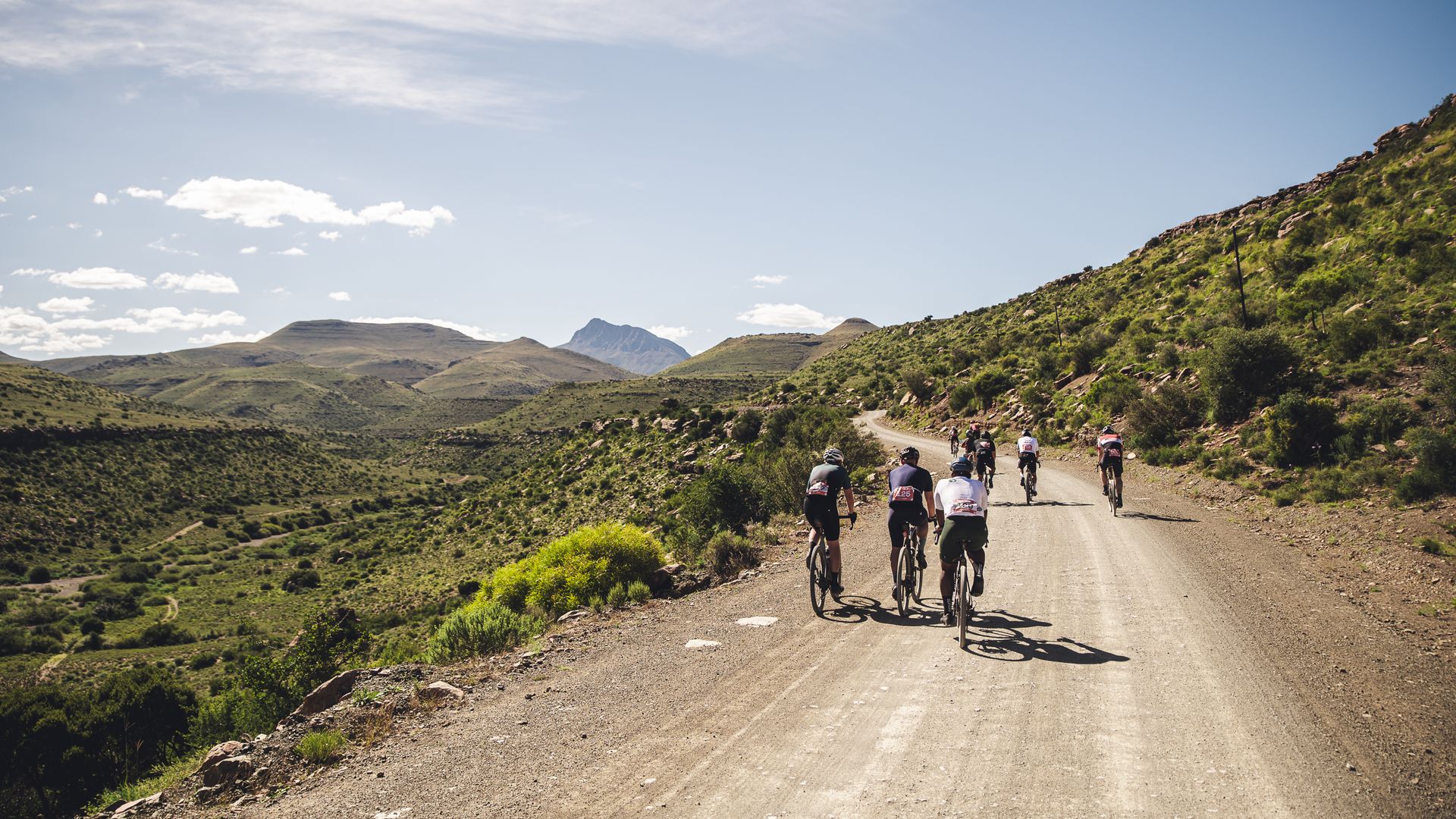
Owl Hill
Shortly after Nieu-Bethesda lies Owl Hill — a steady climb on relatively smooth gravel. The gradient may be moderate, but the sting comes from the timing, on a long undulating day, and don't linger for long in town and let the legs cool. With more than 25km still to ride from the summit, manage energy and fuel smartly.
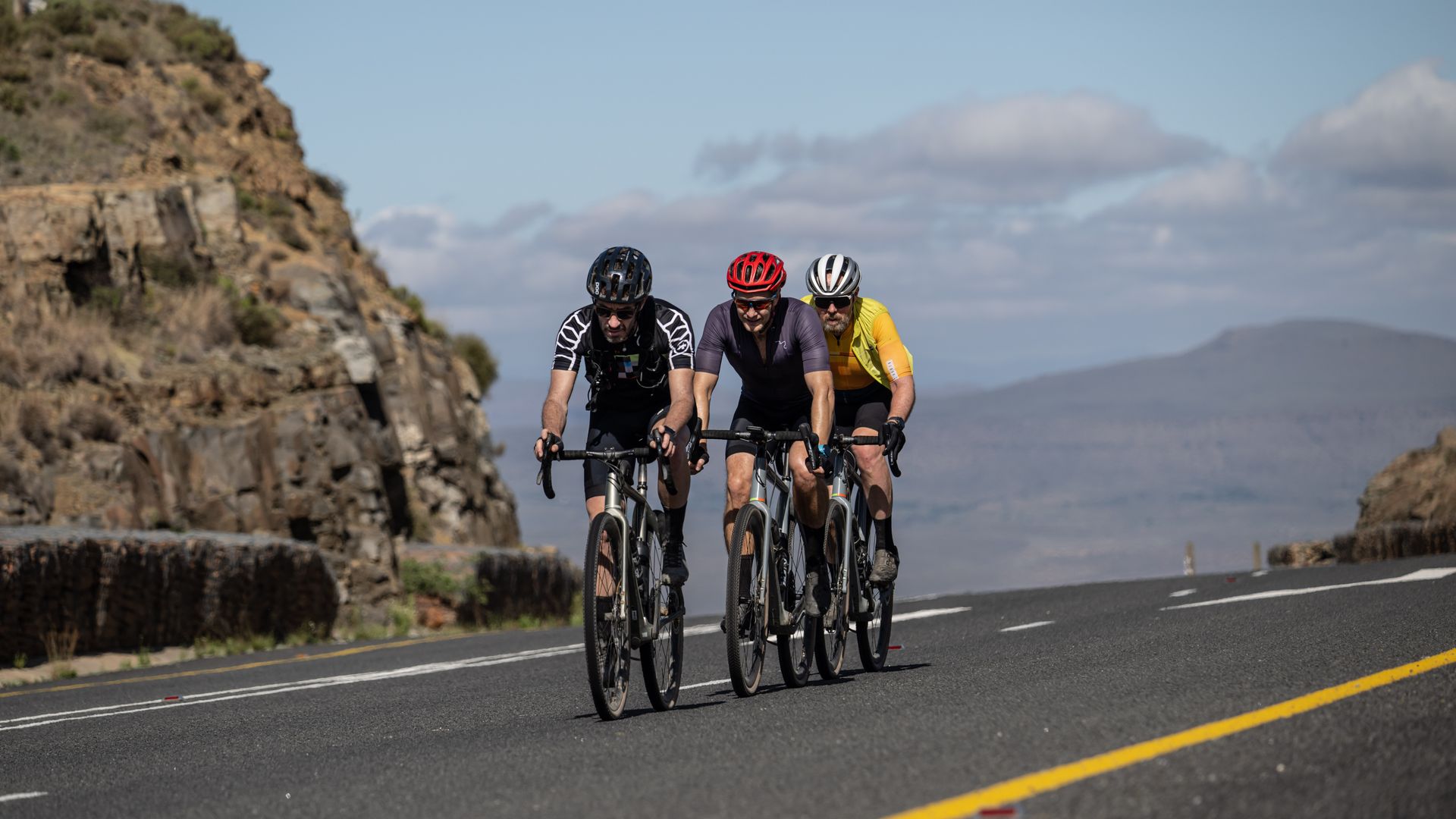
Wapadsberg Pass
The route on stage 5 prescribes an early ascent, starting from the base of the imposing Lootsberg. At this point in the race, the smooth tarred surface offers a pause from the rugged paths they’ll encounter during raceweek, letting riders focus on tackling the gradient.
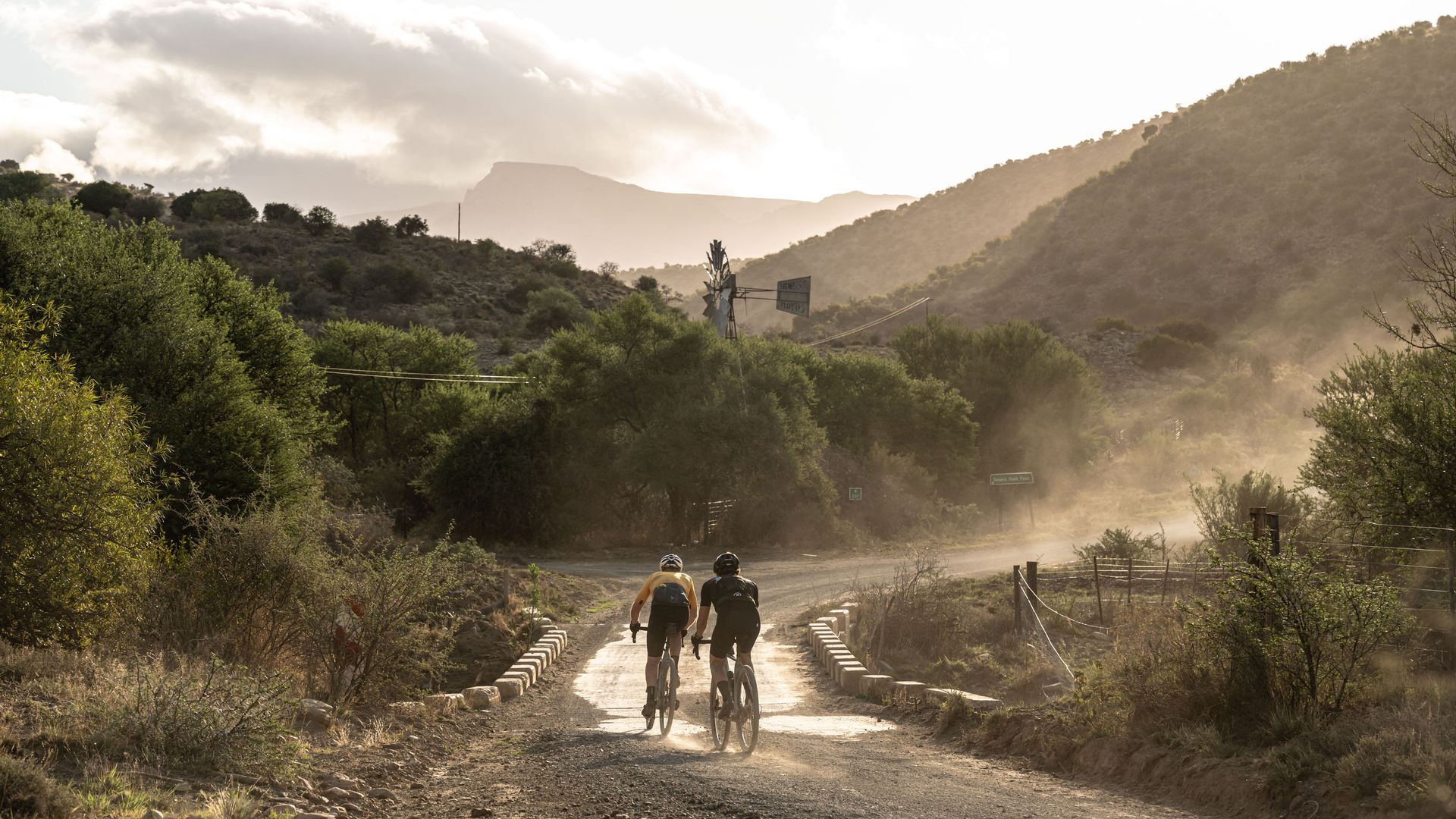
Swaershoek Pass
With its highest point at 1,616m, Swaershoek (brother-in-law) Pass forms part of the district road between the Eastern Cape towns of Nxuba (formerly Cradock) and Pearston. The road surface remains in good condition, but an elevation gain of 470m in the closing kilometres will keep riders honest in the finale.
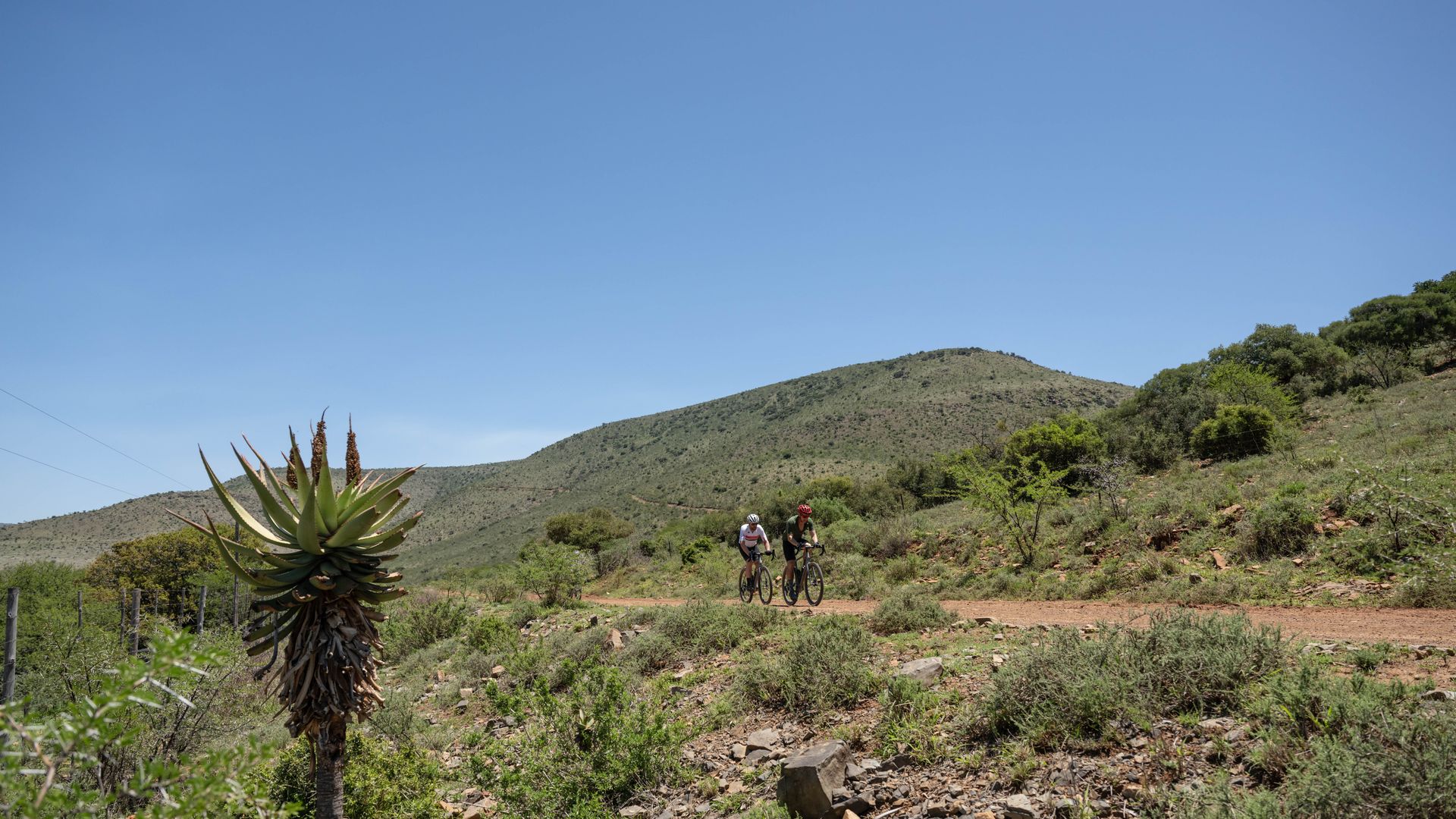
Tarka-Botha Pass
Early in stage 6, we head into the more remote parts of the route, ascending on the tracks that lead to one of Nedbank Gravel Burn’s more treacherous sections. Stay sharp while navigating the rugged Tarka-Botha Pass towards Witmos. The scenery is superb, but this will demand much attention.
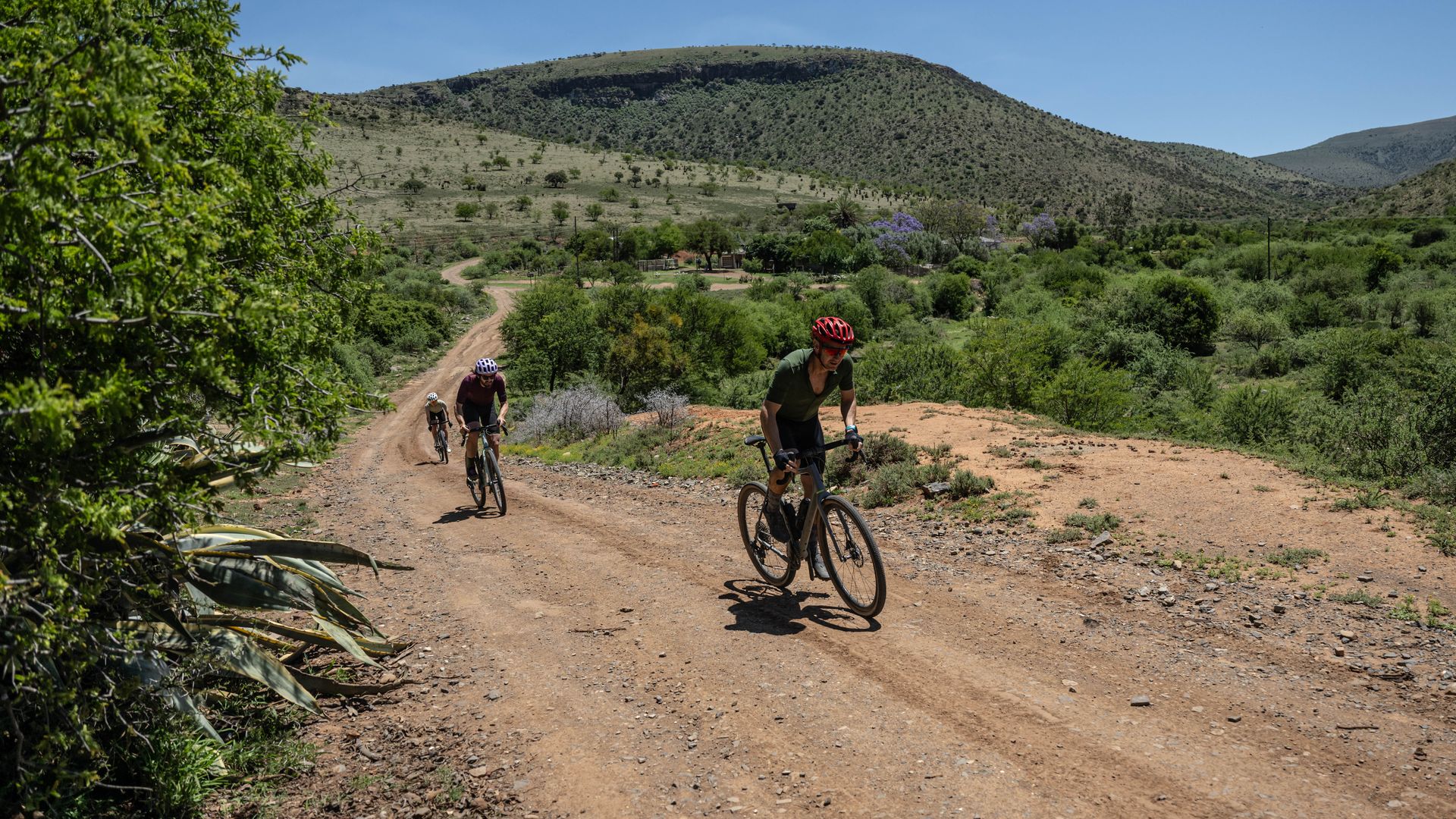
Waainek
The penultimate stage presents the race’s final major obstacle as riders make their way towards Middleton. Although the average gradient may not appear unusually onerous, the climb features an extended series of steep ramps that make it especially challenging.
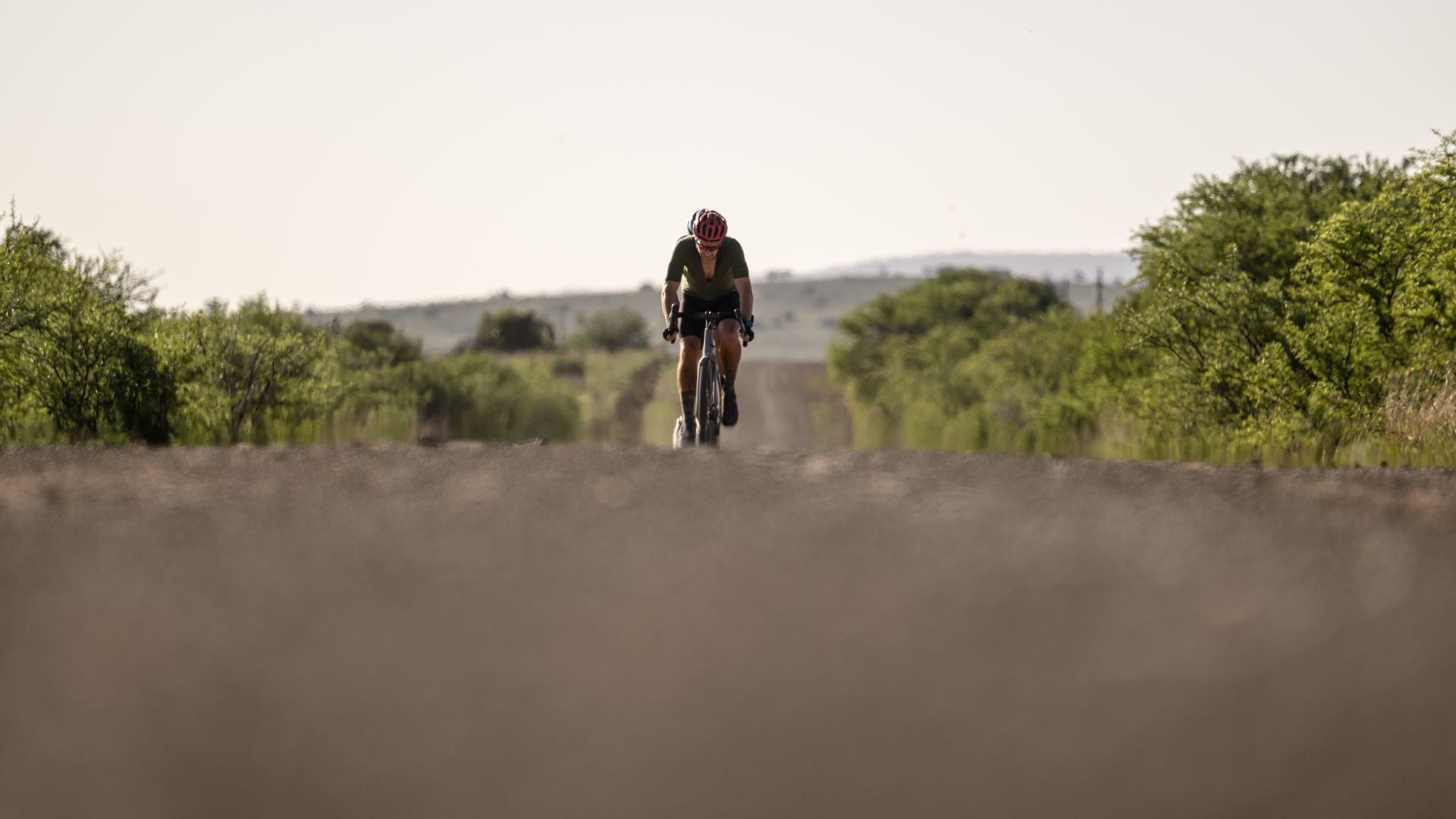
Blue Crane
Blue Crane may not be the big final climb of the day like Swaershoek Pass. But it's punchy enough to sting tired legs before the final run-in to the finish. especially this late into race week.
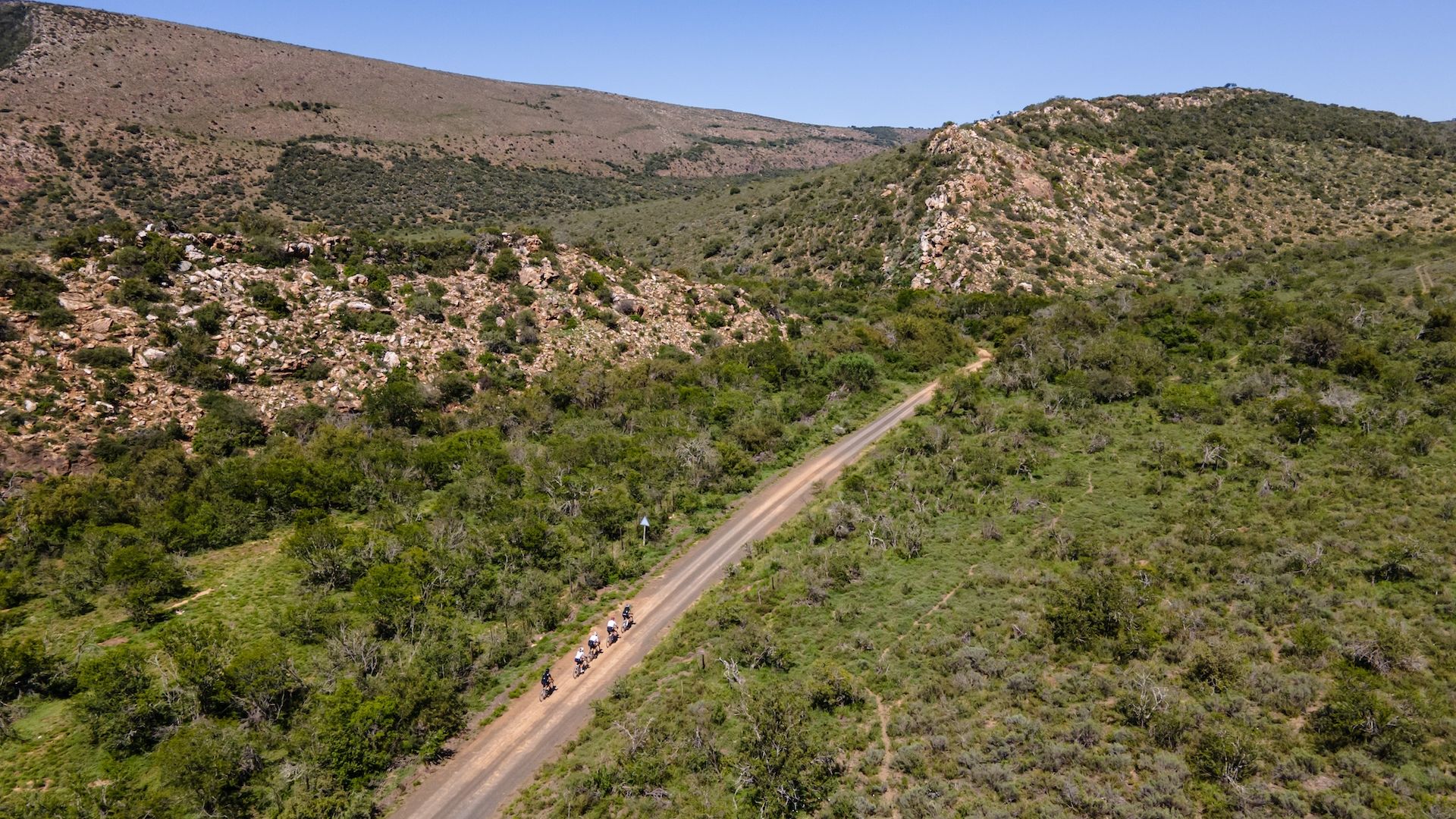
Vissers' Bluff
Vissers' Bluff is steep and sharp enough to provide a launchpad for early moves in the Pro categories. For the whole field it's the morning's wake up call for the legs before tackling a challenging final day.

Lachlan MORTON
Lachlan Morton’s cycling career has been anything but traditional. He got his start in road cycling, ultimately winning Tour of Utah and racing in Grand Tours. Yet the 34-year-old is best known for his long-distance rides and Far Beyond adventures. In recent years, he has taken his love of cycling and used it to benefit others. Still, he's won the biggest one-day gravel race in the world – Unbound Gravel (2024).


Andreas SEEWALD
The highlight so far was the 2021 Worldchampionship in Italy, where I could get the rainbowjersey on a course with 5000 meters of climbing. I love the adventure of long distance races in the remote mountains or deserts. I also did the Nedbank Desertdash back in 2016, love such adventures and wish to do more of that stuff in future.


Towns &
landmarks


.jpg?v=68dfc84d03f05f1f85298301-0)

.webp?v=68dfc84d03f05f1f85298302-0)


.jpg?v=68f719cccfe336326a956f33-0)


the landscape
WHO TO LOOK OUT
FOR ALONG THE WAY